

The Risk of Not Doing Anything
Melbourne’s commercial real estate market in 2026 sits at a highly nuanced inflection point – where stabilising conditions mask a complex and evolving risk profile. While there are clear signs of recovery across some segments, the underlying fundamentals reveal a market still recalibrating after structural, economic, and policy-driven shocks with perhaps more changes to be implemented prior to the end of this financial year.
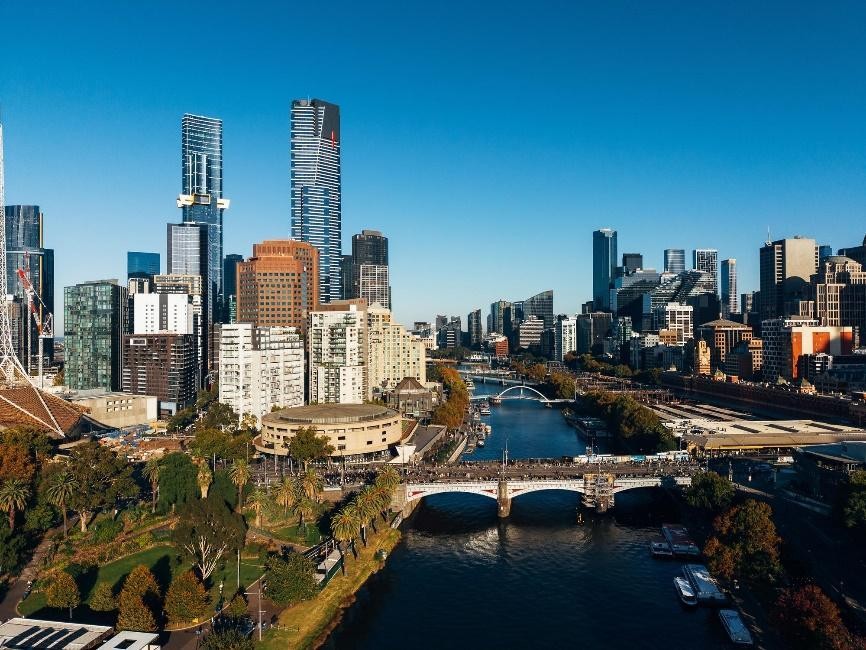
This environment – often described as “calm waters” – is precisely when sophisticated stakeholders, vendors and purchasers seek clarity through an independent valuation.
1.Structural Risk: The Office Market Repricing Cycle

Melbourne’s office sector remains the most visible manifestation of market risk.
- Central Business District (CBD) vacancy has risen to approximately 19% – the highest level since the 1990’s
- This has been driven by a mismatch between new supply and tenant demand, with significant completions outpacing absorption
- Yields have expanded materially, reflecting investor re-pricing of risk and income uncertainty, with perhaps further interest rate increases with a correlation as to yields
At its core, this is not simply a cyclical downturn – it is a structural reset:
- Hybrid working has permanently altered space requirements, with the State Government mooting official legislation of hybrid work practices
- Secondary assets face functional obsolescence risk, B and C grade stock, what is the “Highest and Best Use”?
- Incentives and rent-free periods are eroding effective income
This creates a widening divergence between prime and secondary stock, with capital values adjusting accordingly
Implication: Valuations in this sector are highly sensitive to assumptions around leasing risk, incentives, and capitalisation rate – making timing and methodology critical.
2. Income Risk: Vacancy, Leasing Friction & Tenant Behaviour
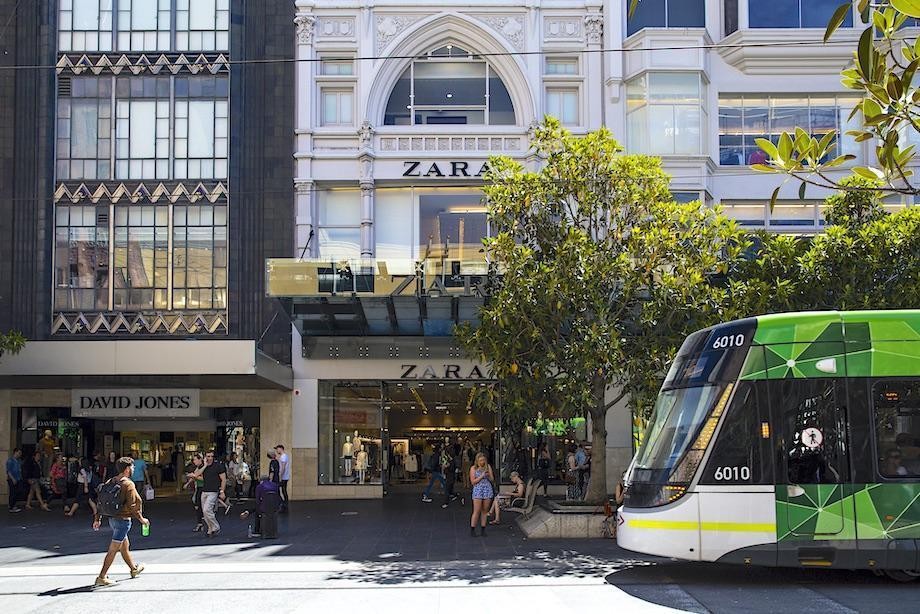
Unlike residential property, commercial assets are income-dependent instruments.
- Vacancies can persist for months or even years, materially impacting cash flow
- Re-leasing often requires:
- Significant incentives (20% to 30%)
- Fit-out contributions
- Extended downtime
In Melbourne’s current environment:
- Tenant leverage has increased due to elevated supply and higher vacancy factors across all sectors
- Lease negotiations are more aggressive and competitive to obtain tenants, now being all important
- Income streams are less predictable, with many businesses, especially in the later half of 2026, perhaps closing due to economic environment
Even in improving sectors such as retail – where vacancy has tightened and activity has rebounded – performance remains highly dependent on consumer confidence and spending patterns
Implication: Small changes in tenancy assumptions can produce disproportionate valuation movements, particularly for secondary or single-tenant assets.
3. Policy & Sovereign Risk: A Defining Melbourne Factor
One of the most material and often underappreciated risks in Melbourne is government policy.
Recent trends include:
- Elevated and expanding property taxation regimes, with mooted further tax regimes to be amended or implemented
- Ongoing regulatory uncertainty (including workplace policy settings)
- Reduced investor confidence relative to other states
This has had tangible consequences:
- Billions of dollars in approved developments remain stalled or deferred with simply no gain to even intend to develop
- Capital is increasingly being redirected interstate, Queensland and New South Wales
Investor sentiment has softened and is at its lowest point for 30 years, with confidence levels falling below national benchmarks. “Direct property” in Melbourne now becoming a dirty word and a burden to the owner.
Implication: Policy risk is now being priced into yields, financing, and acquisition decisions – directly influencing valuation outcomes, with risk becoming the major driver in any considered transaction.
4. Capital Markets Risk: Interest Rates & Liquidity

Commercial property is fundamentally linked to capital markets.
Key pressures include:
- Sensitivity to interest rate movements with mooted 3 increases to come in 2026
- Tightened lending conditions and valuation scrutiny 70% to 60% loan to value ratio
- Reduced liquidity in certain asset classes
Even with stabilisation expected:
- Rental growth has softened in some sectors. Rentals generically are at best static, not decreasing to a revised rental base i.e. suburban commercial offices
- Transaction volumes remain selective. The Melbourne market participants are not aware of how few transactions occur
- Pricing discovery is still ongoing
Implication: The market is transitioning – but not yet fully repriced – creating a window where valuations can materially shift over short periods.
5. Sector Divergence: A Two-Speed Market
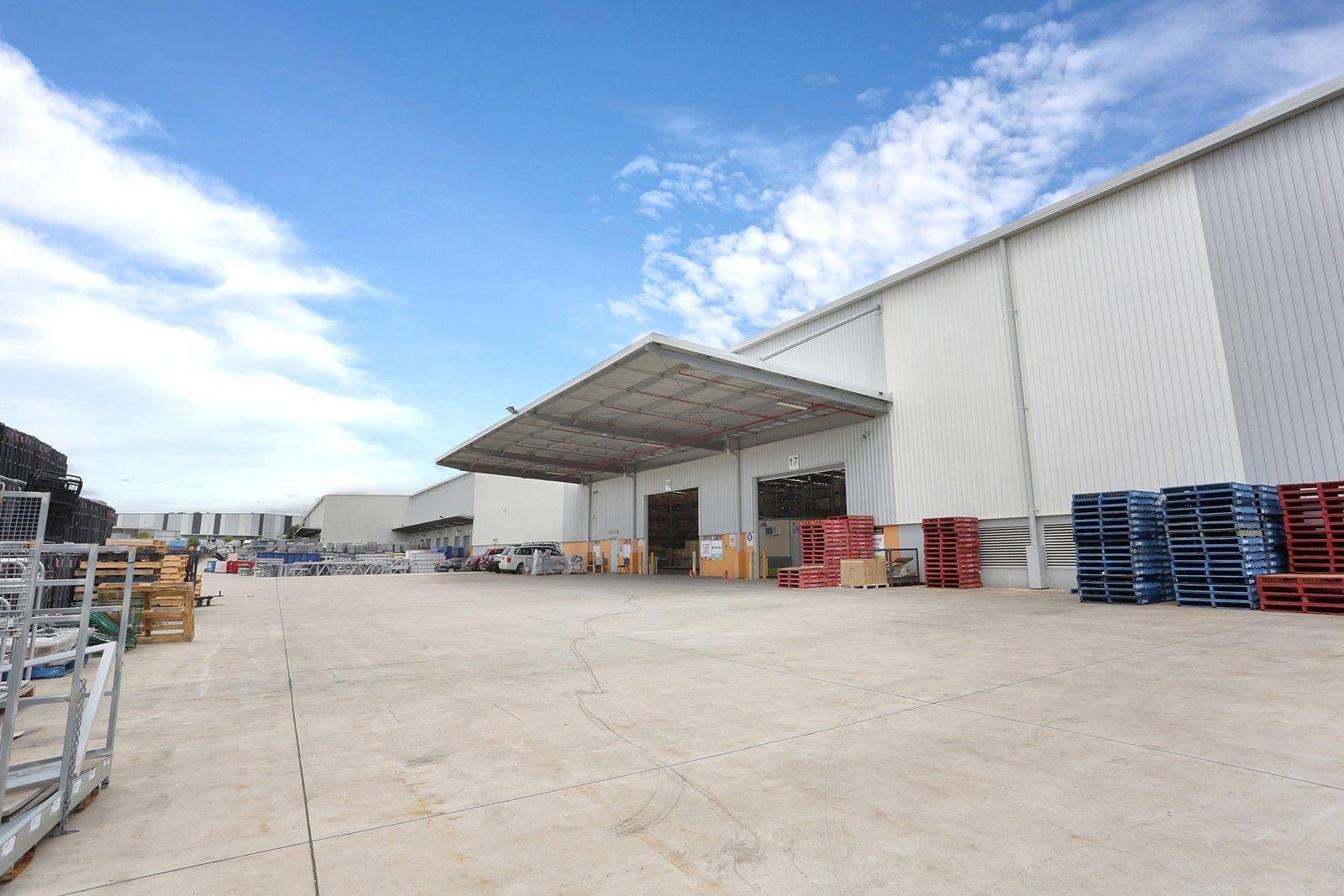
Melbourne is no longer a single market – it is a multi-speed environment:
Outperforming sectors
- Prime retail (flight to quality)
- Neighbourhood retail and essential services
- Industrial/logistics with so called AAA constraints
Challenged sectors
- CBD and suburban stock
- Large-format or discretionary retail
- Development sites in general
This divergence is intensifying:
- Premium assets are attracting capital and tenants
- Lower-grade assets face structural decline
Implication: Valuation requires highly asset-specific analysis – broad market assumptions are no longer sufficient.
6. Why Timing Matters: The Case for “Calm Water” Valuations

Periods of relative stability – such as the current pre–financial year end window – offer a strategic advantage.
Reduced Volatility
Market conditions are currently more observable and less distorted by:
- End-of-financial-year reporting pressures
- Forced balance sheet adjustments
- Transaction-driven re-pricing
Pre-Emptive Positioning
Undertaking valuations now allows:
- Early identification of risk exposure
- Strategic decision-making before market sentiment shifts
- Informed refinancing, acquisition, or divestment planning
Avoiding Event-Driven Distortion
Two key catalysts can materially disrupt valuation settings:
End of Financial Year (EOFY)
- Increased transaction activity
- Balance sheet revaluations
- Potential for abrupt yield movements
State Election Cycles
- Heightened policy uncertainty
- Investor hesitation
- Possible tax or regulatory changes
In Melbourne, where policy risk is already elevated, election cycles can disproportionately influence capital flows and pricing.
7. The Strategic Role of Valuation in This Cycle

In this environment, a valuation is not merely a compliance exercise – it is a risk management tool.
A well-timed valuation provides:
- A clear, evidence-based view of asset positioning
- Insight into income sustainability and leasing risk
- Alignment with current capital market expectations
- Early warning of value volatility
Conclusion
Melbourne’s property market is static at best and beneath the surface, risk remains layered and dynamic.
- Structural changes are reshaping demand
- Policy settings are influencing capital allocation
- Market recovery is uneven across sectors
This combination creates a narrow but valuable window – where clarity is achievable before the next phase of market movement.
Undertaking a valuation in this “calm” period enables stakeholders to act from a position of strength, rather than reacting to volatility once it emerges.
To discuss any related property matter herein or other issues, please contact
Mark Ruttner, Managing Director
mr@fvg.com.au 0411 419 674

