

Property Ownership in Victoria September 2026
For many Victorian property owners, the greatest challenge today is no longer simply “what is my property worth today?”
The more important question has become:
“Is my property still working hard enough for me, especially in light of other asset classes?”
After decades where property ownership was often rewarded by simply holding through cycles, the environment has fundamentally changed. Higher holding costs, changing tenant expectations, increased land tax obligations of which will be ever increasing, interest rate pressures, regulatory changes, landlord incentives and shifting buyer behaviour have all created a new landscape, with property, in general, now not meeting expectations for many property owners.
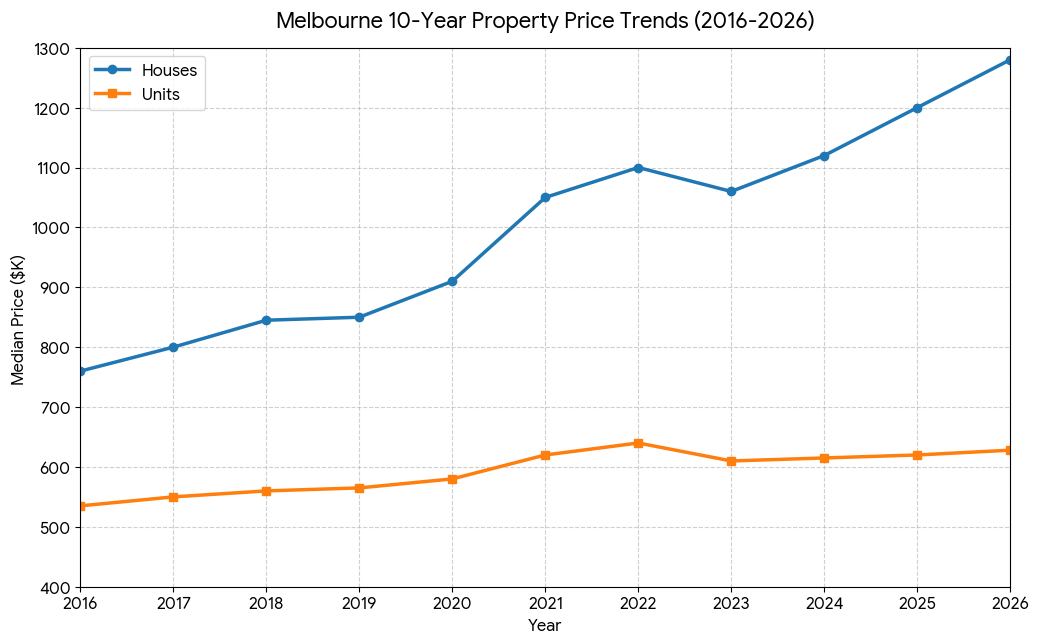
The simple expectation from most property owners is that over a ten year cycle, property always increases? The writer is not sure that this statement rings true anymore.
Whether you own a commercial property, retail premises, industrial asset, development site, prestige residence, or a long-held family property – the decision-making process has become more complex. The decision process is not singular, it now includes a variety of outsourcing to accountant, planner and property advisor, and moreso the valuer.
Many owners are now facing four strategic pathways:
1. Hold – but understand what you are really holding
The traditional view that “property always goes up” has always been the mentality over the last 30 year period. Simply, it now requires greater analysis. Those generation holders are now witnessing a true decrease in value with perhaps more to come.

Holding may absolutely remain the correct strategy – but only after considering:
- Is the asset generating an appropriate return?
- Are rents aligned with the current market rental levels?
- Is there unrealised development or repositioning potential, with reference to the “Highest and Best Use” and/or simply an uplift in rental level?
- Are future capital requirements increasing, has the owner allowed for Capex?
- Is the asset still attractive to the next generation of buyers?
- Is the property creating wealth or simply preserving it, or is it now decreasing in value in 2026?
2. Sell – recognising when capital can work harder elsewhere
Selling is often viewed emotionally, particularly when properties have been held for decades. i.e. generational holdings.
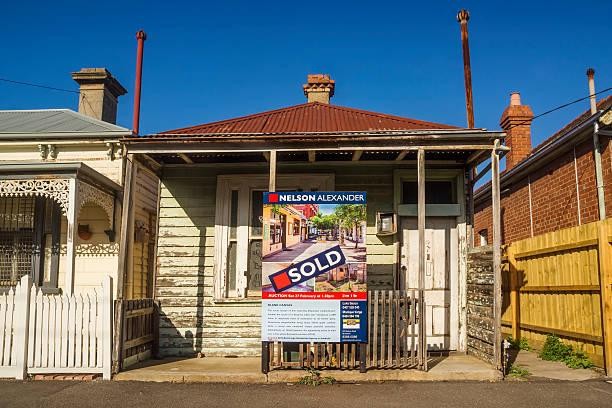
“If I had the equivalent amount of cash today, would I buy this same property again?”. Unfortunately, the answer is not so simple… and the answer is probably not.
If the answer is no – it may be time to reassess, noting the 1st July 2027 deadline.
3. Refinance – preserving ownership while releasing opportunity
For many owners, the property itself may not be the problem – the initial capital structure may be incorrect, particularly in light of current market forces.
Understanding a property’s realistic market position before approaching financiers has never been more important than today. A property valuation is a MUST. If only to know where your levels of value are.

4. Reposition – the often overlooked strategy
Some of the greatest value creation occurs not through buying or selling – but by improving what you already own. Those renovations, extensions and negotiation of leases perhaps need to be done as soon as possible.

A property valued purely “as it stands today” may not reflect what it may derive moving forward.
The Victorian Market: A New Era of Active Ownership
The coming years will likely reward informed, proactive owners, with the market having now turned to a considered “buyers market”, noting locally and from interstate.
The gap between average assets and exceptional assets is widening, with the latter definitely hard to find within the current market.
Successful owners will continually ask:
Should I own this asset?
Should I improve this asset?
Should I release the capital?
Should I change direction, has this asset class reached a premium level, with very little upside?
The capital gain base period of 1 July 2027.
Can I dispose of my assets in the current market?

Independent advice before the decision is a must!
Major property decisions should not commence with a sales campaign, they need to be well thought out prior to any contemplation of sale or other.
They should commence with independent analysis prior to commencing anything.
Understanding:
- Current market value
- Buyer depth
- Rental position
- Risks and opportunities
- Alternative strategies
Whether you are reviewing your real estate holdings or considering some form of action, an independent valuation provides an accurate assessment at a given point of time.
The writer will provide a series of ideas why this assessment should be considered now, rather than later, and why the next 12 months will provide a gateway to making necessary decisions.
First Valuation Group (FVG)
Independent Property Valuers | Advisory | Transaction Management
Helping property owners make informed decisions for over 30 years.
To discuss any related property matters, please contact:
Mark Ruttner, Managing Director
0411 419 674 or mr@fvg.com.au

