

Property Settlement in Family Law: Why Single Expert Valuations Save Time and Legal Fees
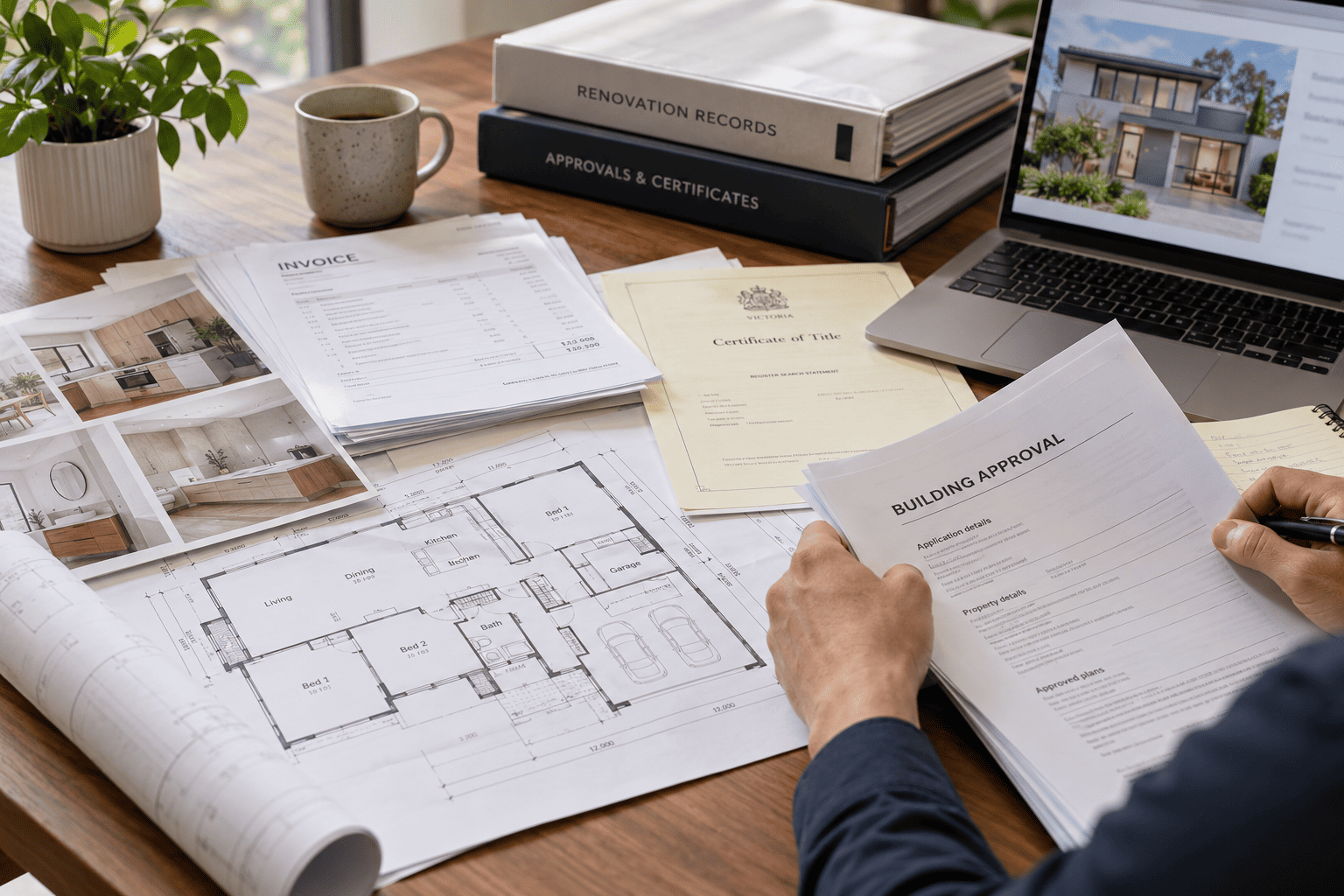
Putting a property on the market without checking its position first can lead to poor pricing decisions, avoidable questions from buyers and last-minute changes to your sale strategy.
Before listing, it is worth checking:
- Whether the property’s current condition matches your expectations.
- Which improvements can be supported with records.
- Whether the property has features that need specialist assessment.
- Whether your proposed asking price is supported by current market evidence.
A professional valuation from experts like FVG property can give you an independent reference point before negotiations begin. This pre-sale preparation checklist explains what to review, what information to gather and which decisions are better made before your property reaches the market.
Before you sell, gather the facts about your property: its condition, any improvements, ownership details, tenancy arrangements (if it’s rented), and recent sales that show where the market sits. A professional valuation then gives you an independent figure to base your pricing and sale decisions on. If you’re looking at property valuations in Melbourne, put your effort into getting the facts straight rather than just freshening up the cosmetics.
What Should You Review Before Ordering A Property Valuation?
Start by looking at the property as an asset, not as your home or workplace. It’s hard to judge condition, improvements and market appeal fairly when you’re emotionally attached to the place.
Make a short property review covering:
| Area | What to check |
|---|---|
| Land | Size, access, configuration and any unusual characteristics |
| Building | Age, condition, layout and major alterations |
| Improvements | Extensions, renovations, additional facilities or upgrades |
| Parking | Garages, car spaces, access and usability |
| External areas | Landscaping, outbuildings, fencing and other improvements |
| Occupancy | Vacant, owner occupied or leased |
| Restrictions | Easements, planning considerations or other known limitations |
This initial review is particularly useful when the property has changed substantially since purchase.
For example, an owner may remember the original purchase price and renovation spend but have no clear record of how the property compares with similar assets today. A valuation provides an opportunity to separate historical expenditure from present market evidence.
Prepare Your Property For A Successful Sale
A Useful Distinction
The amount you have spent on a property is not the same thing as its current value. A $100,000 renovation does not automatically add $100,000 to the property’s market value.
Its contribution depends on the quality of the work, local buyer expectations, functionality and comparable evidence. That distinction is one of the most important points to establish before setting a sale price.
Which Documents Are Worth Gathering Before The Valuer Arrives?
You do not need to create a huge folder of paperwork. Focus on information that can clarify the property’s legal, physical or income-producing characteristics.
For a residential property, this may include:
- Plans or approval documents for significant additions.
- Renovation invoices where they help establish the scope of work.
- Information about recent major building work.
- Relevant title or property documents.
- Details of additional structures or improvements.
For an investment or commercial property, the information becomes more financial.
You may need:
- Current lease agreements.
- Rental schedules.
- Outgoings.
- Recent capital expenditure.
- Vacancy information.
- Details of incentives or other lease arrangements.
The purpose is simple: give the valuer reliable information about the asset being assessed.
If you are dealing with industrial property valuers in Melbourne, for example, the operational characteristics of an industrial property can be more significant than the presentation of the office component. Access, warehouse configuration, hardstand, loading arrangements and tenancy details may need closer attention.
Should You Renovate Before Selling?

Usually, you should not start a major renovation simply because you believe it will increase the sale price. The better question is: What problem is the renovation solving?
A renovation may make sense when it addresses a clear functional issue, corrects significant deterioration or brings an outdated property closer to the standard expected in its market. It may make less sense when the proposed work is expensive, highly personalised or unlikely to appeal to the eventual buyer.
Consider each proposed improvement against four questions:
- Is it necessary?
- Who is likely to value it?
- Will the work be completed properly before sale?
- Can the improvement be supported by evidence?
Small maintenance work can be sensible where it removes obvious defects. Major construction immediately before a sale requires more careful consideration.
This is also where an independent assessment can be useful. Independent property valuations can provide a separate reference point before an owner commits substantial money to changes based solely on an expected selling price.
How Do You Check Whether Your Expected Price Is Realistic?
Start with comparable evidence rather than online estimates alone.
A useful comparison considers more than the suburb and number of bedrooms. Look at factors such as:
- Land size and shape.
- Building size and quality.
- Age and condition.
- Parking and access.
- Position within the locality.
- Recent improvements.
- Development potential where relevant.
- Timing of comparable sales.
Two properties within the same street can have materially different values if their land, improvements or development characteristics differ.
Online estimates can be useful as an initial reference, but they should not replace professional assessment where a precise valuation is required.
For owners considering real estate valuers, the important point is to explain the intended purpose of the valuation at the beginning. The relevant evidence and assessment approach can depend on whether the valuation is being used for a sale decision, lending, taxation, legal matter or another purpose.
What Changes When You Are Selling Commercial Property?
Commercial sales require a different preparation process because the property’s income and occupancy can form an important part of its value.
A commercial owner should examine the asset from an investor’s perspective.
Key questions include:
- Is the current lease secure?
Review the remaining term, options, rent and other important conditions. - What does the property cost to operate?
Gather reliable information about outgoings and recurring expenses. - Are the physical improvements suitable for the current use?
Warehouse access, floor area, loading facilities, parking and building services can all influence buyer interest. - Has the property undergone significant capital works?
Major upgrades should be recorded separately from routine maintenance.
This preparation can be particularly important for owners seeking commercial property valuers in Melbourne, because a commercial property cannot always be assessed effectively from its physical appearance alone.
Get Your Property Ready For The Market
When Should You Get The Valuation?
The valuation should ideally happen early enough to influence your sales strategy.
If you wait until the property is already advertised, you may have less flexibility if the assessment differs substantially from your expectations.
A practical sequence is:
Review the asset → gather key evidence → obtain valuation → decide pricing strategy → prepare marketing → list the property.
This order gives you time to reconsider whether a planned renovation, asking price or marketing approach makes sense.
It also prevents a common mistake: choosing an asking price first and then looking for evidence to support it.
For higher-value properties, complex assets or properties with unusual characteristics, allow additional time for information gathering and assessment.
What Should Be On Your Final Pre-Sale Checklist?

Before the property is listed, check these points:
| Pre-sale item | Ready? |
|---|---|
| Property details verified | ✓ |
| Significant improvements documented | ✓ |
| Relevant approvals located | ✓ |
| Major defects reviewed | ✓ |
| Lease and tenancy information checked | ✓ |
| Recent comparable sales considered | ✓ |
| Intended valuation purpose confirmed | ✓ |
| Pricing expectations reviewed independently | ✓ |
| Sale strategy decided after reviewing the evidence | ✓ |
The final step is not about making the property look perfect. It is about making sure your sale decision is based on the asset as it actually exists.
Conclusion
Good pre-sale preparation is primarily about making better decisions before the property is exposed to the market. Review the asset objectively, separate renovation costs from actual market contribution, organise the information that affects its assessment and obtain professional advice before committing to a price.
For owners considering property valuations, an independent assessment can provide a useful reference point when deciding how to position the property for sale. The earlier that assessment forms part of the process, the more opportunity you have to adjust your strategy based on evidence rather than assumptions. Get in touch with FVG property to know how we can support your project requirements.
FAQs
Can I get a valuation before deciding whether to sell?
Yes. A valuation can be obtained before you commit to selling. This can help you assess whether your expectations are realistic and whether selling now makes sense compared with holding the property or making selected improvements first.
Does renovation spending show up in a property valuation?
It can, but what you spent rarely translates dollar for dollar into added value. A valuer looks at the property as a whole and compares it with relevant market evidence, including whether the renovation improves how the home works and how appealing it is to buyers.
Do commercial properties need different pre-sale preparation?
Yes. Commercial properties usually need more paperwork, including leases, rental income, outgoings, vacancy history, capital works and how well the building suits its current or potential use. All of these can have a real impact on how the asset is valued.
Should I use an online property estimate to set my asking price?
An online estimate is a handy starting point, but it can miss things specific to your property, such as recent upgrades or unusual features. If a lot of money is riding on the sale, an independent professional valuation gives you a far more reliable basis for pricing.

