

Pre-Purchase Property Due Diligence: 11 Critical Checks Before You Buy

Buying property can look straightforward until the documents, planning controls, physical condition and numbers start telling different stories.
Before committing to a purchase, buyers need to know:
- What they are legally buying.
- What they can actually do with the property.
- What future costs may arise.
- Whether the price reflects the property’s current condition and potential.
FVG Property has more than 30 years of combined experience across property valuation in Melbourne. Our approach to pre-purchase property due diligence focuses on the information behind the asking price, helping buyers assess the property from legal, physical, planning and financial perspectives. Keep reading, as we’ll look at key checks to do before buying property.
Focus: Property due diligence pre-purchase from title, planning, condition, income and value.
Key considerations: Easements, zoning, permits, condition of building, leases, outgoings, comparable market evidence.
Practical Approach: Buyers should inspect the property as it is today and test the feasibility of their intended use.
Professional Insight: FVG Property takes independent property valuations and property research into consideration when making purchase decisions.
Outcome: Better understanding of risks, costs and underlying position of the property before committing funds.
1. Does The Title Reveal Any Restrictions Or Easements?
Yes. Before buying, a buyer should check the title, because it may disclose registered interests that affect ownership or use.
A Victorian title search can reveal the registered owners, land description, mortgages, caveats, covenants, notices and easements. Searches of instruments may reveal further information concerning registered documents affecting the property:
- Drainage and sewerage easements.
- Access rights.
- Covenants restricting development.
- Caveats or other registered interests.
- Restrictions affecting subdivision or construction.
Practical insight: A property can appear to have usable side or rear land, yet an easement or covenant may limit what can be built there.
Assess Your Property Purchase With Confidence
2. What Does The Planning Scheme Allow You To Do?
The planning scheme tells you how land may be used and developed, subject to the relevant controls and approvals.
Don’t rely on a proposed development strategy until you have checked the property’s zoning, overlays, planning permits and relevant council controls.
For a buyer considering redevelopment, ask:
| Question | Why it matters |
|---|---|
| What is the zoning? | It affects permitted and discretionary uses. |
| Are overlays present? | They may impose additional requirements. |
| Are there existing permits? | They may affect current or future use. |
| Are nearby developments proposed? | They may change traffic, access, amenity or demand. |
| Are there planning agreements or restrictions? | These can affect development potential. |
What most experts miss: Planning potential should be tested against the physical site, access, setbacks, services and likely approval requirements. A favourable zoning alone does not make a development financially or physically practical.
For complex purchases, trusted property advisory services can help separate theoretical development potential from realistic property potential.
3. Are All Building Works Properly Permitted?
Any previous renovations, extensions and alterations should be cross-referenced with any available building and planning records.
Not every component of an appealing renovation is approved. Buyers should check on any relevant permits, final inspections, occupancy paperwork and any outstanding notices or orders.
This is particularly important for:
- Extensions.
- Converted garages.
- Decks and outdoor structures.
- Commercial fit-outs.
- Additional dwellings.
- Structural alterations.
Victoria’s building authorities distinguish between building permits, final inspection documentation and occupancy permits. Missing or incomplete records can create issues for future owners.
Practical insight: Compare what exists on site with the plans and records. A mismatch can be more important than the age of the renovation itself.
4. What Is The Actual Physical Condition Of The Property?

A professional building and pest inspection can reveal defects not obvious on a normal inspection.
Look beyond cosmetic presentation and consider:
- Condition of roof.
- Water inflow.
- Drainage.
- Dampness.
- Termites.
- Electrical & mechanical Services.
- Commercial premises machinery and equipment
- Maintenance postponed.
For commercial property the condition should be assessed against the role of the property as an income producing property. A defect affecting an essential service can have a different financial consequence from a minor cosmetic issue.
The inspection should support, rather than replace, the financial assessment of the purchase.
5. What Does The Owners Corporation History Show If It Is Strata?
Owners corporation records can help to uncover building problems and future costs that are difficult to determine from the individual lot alone.
Review available:
- AGM and committee meeting minutes.
- Budgets and financial statements.
- Maintenance plans.
- Special levies.
- Building reports.
- Insurance information.
- Records of defects or major works.
- Disputes and proposed expenditure.
Consumer Affairs Victoria notes that owners corporation records can include building permits, planning permits, building plans, contracts and maintenance information.
What most experts miss: The absence of a current special levy does not necessarily mean there is no future exposure. A building with ageing lifts, air conditioning, roofing or other common property assets may require substantial expenditure later.
The maintenance history can therefore be as informative as the current balance sheet.
6. Are The Lease And Income Assumptions Reliable?
For an investment property, the lease should be tested against the actual income and expenses rather than relying solely on the advertised yield.
Check:
- Current rent.
- Lease expiry.
- Options.
- Reviews.
- Incentives.
- Outgoings.
- Arrears.
- Make-good obligations.
- Security deposits or bank guarantees.
- Tenant obligations.
- Recent leasing evidence.
A headline yield can look attractive while masking a near-term vacancy, below-market rent or significant capital expenditure.
For commercial purchases, the lease is part of the property’s value proposition. Commercial property valuers commonly need to consider the relationship between rental evidence, lease terms, market conditions and the underlying property.
7. What Are The True Holding And Capital Costs?
Purchase price is only one component of the property’s financial commitment.
Build a realistic cost schedule covering:
| Cost area | What to check |
|---|---|
| Rates and taxes | Current charges and likely changes |
| Owners corporation | Levies and proposed expenditure |
| Insurance | Premiums, exclusions and building responsibilities |
| Maintenance | Known and foreseeable works |
| Capital expenditure | Roof, plant, services and major building items |
| Vacancy | Potential downtime between tenants |
| Compliance | Costs associated with required upgrades |
Practical insight: Separate regular operating costs from irregular capital expenditure. When combined into a single annual figure it can hide the timing of the most probable cash requirements.
8. Does The Asking Price Reflect Current Market Evidence?
Evidence of an independent valuation can be useful in determining if the proposed purchase price is supported by comparable transactions and the specific characteristics of the property.
Valuation is not just a comparison with the property next door. A valuer will have regard to appropriate attributes, market evidence and the facts relating to the property as at a particular valuation date.
For buyers, useful questions include:
- Which comparable properties have actually sold?
- How similar are they?
- How recent are the transactions?
- Does the subject property have different income, condition or development characteristics?
- Are adjustments required?
The Australian Property Institute describes valuation as a process involving inspection, enquiries, investigations and analysis of relevant market evidence.
This is where property valuations can provide a different perspective from an agent’s price opinion.
9. Does The Property Suit Your Intended Use?
A property should be assessed against the buyer’s intended use, not simply its current use.
For example, a buyer may want to:
- Add another dwelling.
- Change a commercial use.
- Increase floor area.
- Reconfigure a tenancy.
- Add parking.
- Improve accessibility.
- Hold the property for redevelopment.
Test the proposed use against title restrictions, planning controls, physical constraints, services and likely costs.
10. What Is Happening Around The Property?
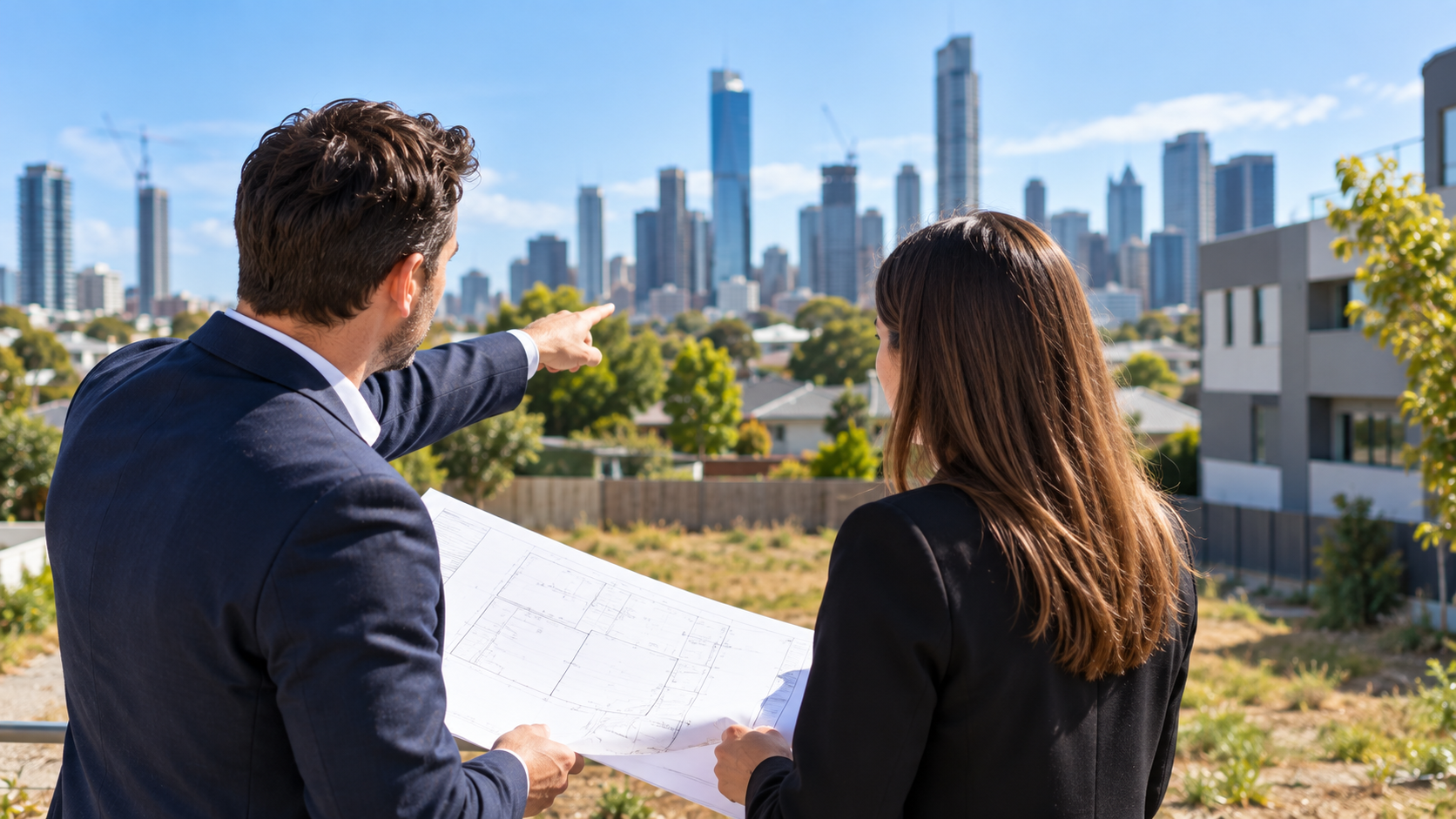
The surrounding area can affect both current usability and future property value.
Investigate:
- Proposed nearby developments.
- Road or transport changes.
- New commercial projects.
- Infrastructure works.
- Changes in surrounding land use.
- Noise or traffic impacts.
- Local planning amendments.
Consumer Affairs Victoria specifically recommends checking proposed or granted planning permits for nearby properties because significant developments can alter local character, noise and traffic.
Practical insight: Look beyond the property boundary. A purchase decision can change materially when a nearby site moves from an undeveloped parcel to an approved development.
11. Have You Independently Tested The Purchase Decision?
The final check is whether the evidence supports the purchase price, intended use and expected return as one combined proposition.
Bring the findings together rather than reviewing each issue separately.
A useful decision matrix is:
| Factor | Potential effect |
|---|---|
| Clean title | Reduces legal or usage uncertainty. |
| Restrictive covenant | May limit options for development. |
| Solid lease | Can help provide income stability. |
| Big deferred maintenance | May need more capital. |
| Development potential | May add value if realistically achievable. |
| Weak comparable evidence | Creates more uncertainty about price. |
| Planning conflict | May undermine the intended strategy. |
For significant purchases, an independent real estate valuer can give a separate valuation based on pertinent evidence and the property’s characteristics.
Understand The Risks Behind A Property Purchase
Conclusion
Good property buying starts with evidence, not presentation. A thorough pre-purchase property due diligence process connects title, planning, condition, income, costs and market value before a buyer commits substantial capital. FVG Property brings over three decades of experience in Melbourne property valuation and advisory work.
We can provide an independent perspective on the property’s market evidence, physical characteristics and financial considerations, helping buyers understand what sits behind the purchase price. If you are assessing a Melbourne property, get in touch to discuss the information you need before proceeding.
FAQs
Should I obtain a valuation before making an offer?
A valuation can be useful where the purchase price is substantial, the property is unusual, the income is important to the investment case, or comparable evidence is limited. It can provide an independent opinion of value that is separate from the vendor’s asking price or an agent’s appraisal.
How long should property due diligence take?
There is no universal timeframe. The required period depends on the nature of the property, the structure of the deal and the complexity of the checks. A simple residential property will probably require less investigation than a commercial property with leases, planning issues, multiple tenancies or significant plant and equipment.
Can due diligence identify future development value?
It can identify factors that may facilitate or constrain future development potential but cannot assume planning approval. Buyers should take into account zoning, overlays, title restrictions, access, site characteristics and likely approval requirements before paying a premium for potential redevelopment.
Does a building inspection tell me what the property is worth?
No. An inspection of a building is mainly about physical condition and defects. The value of a property needs to be separately considered, according to market evidence and the relevant characteristics of the property. If you’re buying something expensive you may need technical building advice and independent valuation advice.
To discuss any related property matter herein or other issues, please contact
Mark Ruttner, Managing Director
mr@fvg.com.au 0411 419 674

